Frankenstein
Mary Shelley. A literary analysis ATTENTION
Two centuries after its publication, Mary Shelley's Frankenstein continues to haunt and inspire. More than a Gothic tale, it is a profound meditation on creation, responsibility, loneliness and what it means to be human.
Frankenstein Is often remembered as a ghotic tale, but Mary Shelley's novel goes much further. Through Victor's ambition and the creature's loneliness , this analysis explores how playing with life has brutal consequeneces. This article invites you to question who is the real monster, the creature or the creator ?
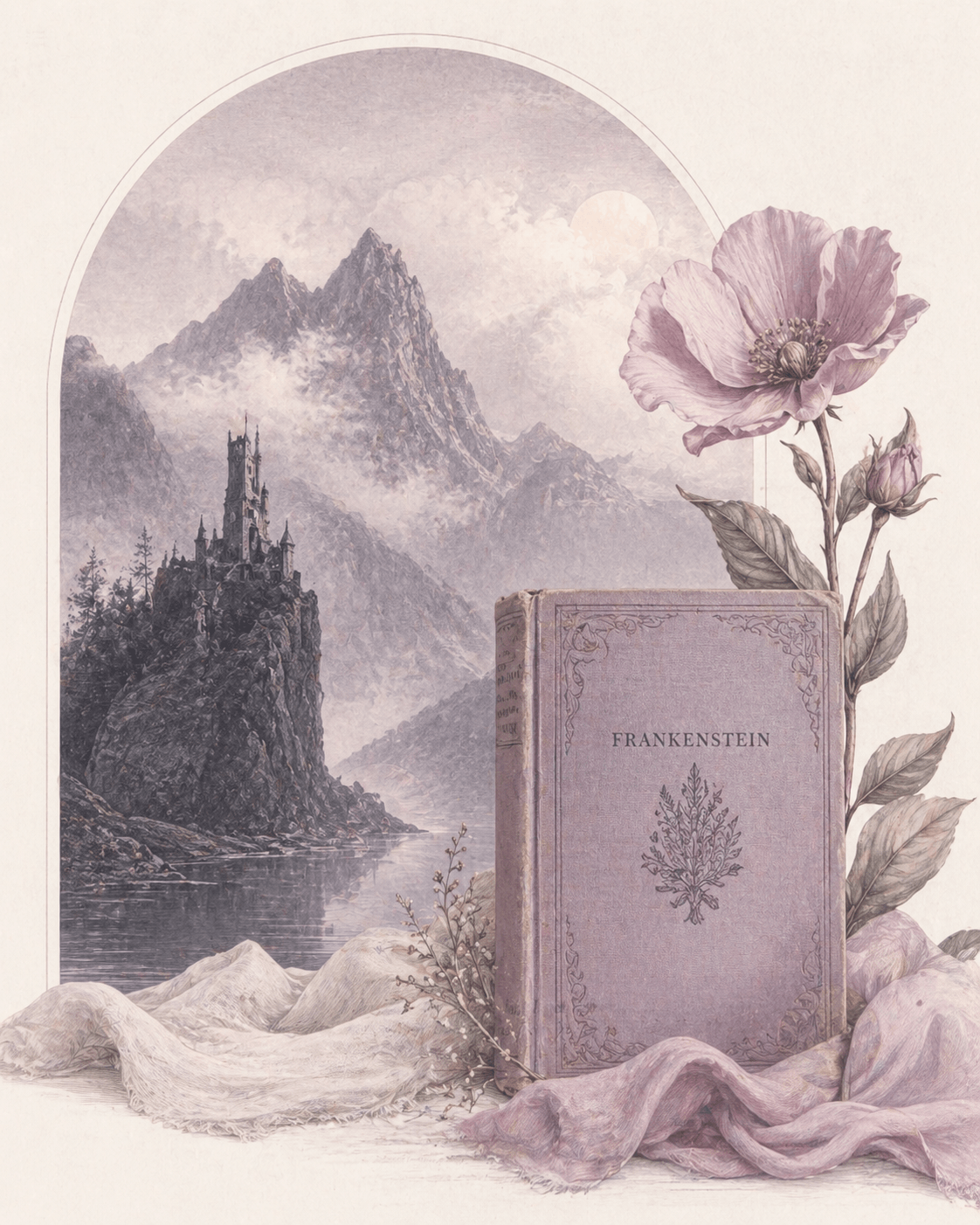
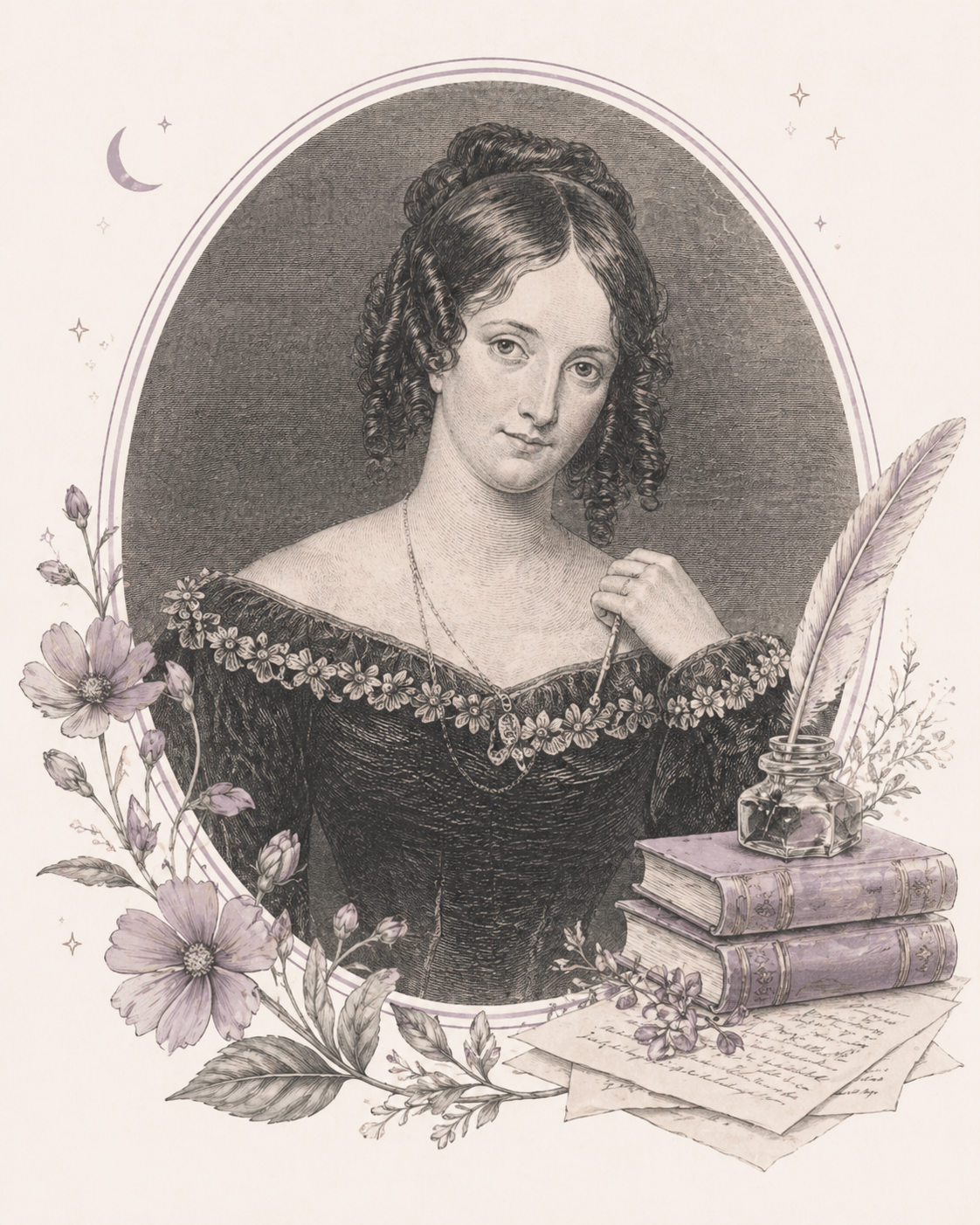
"Beware ; for I am fearless, and therefore powerful."
The story
Mary Shelley's Frankenstein tells the story of Victor Frankenstein, a young scientist whose ambition leads him to create life from lifeless matter. But the creature he brings into the world is immediatly rejected, abandoned and forced to exist without guidance or affection. Rather than persenting a simple tale of horror, the novel asks what happens when knowledge is pursued without responsibility. Victor's creation becomes a mirror of his own failure. Not because it is born monstrous, but because it is denied compassion. The most disturbing part of his experience is not simply that he brings body back to life, but that he immediatly refuses to care for the being he has made. Horrified by the creature's appearance, Victor abandons him at the very moment when he needs guidance, affection and protection the most.
At the center of Frankenstein is the question of responsibility. Victor wants the glory of discovery, but not the burden of caring for what he has made. His tragedy begins not with the act of creation itself, but with his refusal to accept the consequence of that act. This raises an important question, if someone has the power to create life, do they also have the duty to take responsibility for it ?
The novel suggest that scientific ambition is not evil itself. What becomes dangerous is ambition separated from empathy, ethics and accountability.
Victor is eventually forced to face the consequences of what he created.
Isolation and rejection
The creature's violence is born from loneliness. He enters the world with curiosity and sensitivity, but every encounter teaches him that he is unwanted. Before anyone truly knows him, he is judged by his terrifying look. Society sees his body before it sees his emotions, his intelligence or his need for affection.
This is one of the most powerful ideas in the novel, the monster is rejected first because of his looks, not because of what he has done. Mary Shelley shows how cruel a society can be when it refuses to see beyond appearances. The monster becomes frightening partly because the world never gives him the chance to be anything else.
This is especially clear in the episode with the blind man, De Lacey. Because he is blind, the physical appearance of the creature stays unknown to him. He listens to him with kindness and treats him with compassion. For a brief moment, the creature is not judged as a monster. He is simply heard. This scene shows that is desire is deeply human, he wants connction and love.
His anger grows from this common rejection. His violence does not begin by wanting revenge, he begins by wanting to be loved. Even when he asks Victor to create a companion for him, his request comes from a desperate need not to be alone. His tragedy is that the world teaches him hatred when what he originally seeks is affection.
This makes Frankenstein deeply tragic. The monster is not simply a figure of terror, but a being shaped by abandonment.
Why Frankenstein still matters
This story still feels modern because its question have never disappeared. His story reminds us that exclusion can transform pain into anger, and that being seen only through looks can deeply wound a person.
How far should human ambition go ? What do creator owe to what they create ? Can society condemn someone and then blame them for becoming damaged ?
In a world shaped with technology, invention and ethical uncertainty, Mary Shelly's novel remains powerful because it reminds us that creation without care can become destruction.
Who is the real monster ?
"I ought to be thy Adam, but I am rather the fallen anglen, whom thou drivest from joy for no misdeed" - The creature
Share your thoughts
What did Frankenstein make you think about ? We'd love to read your reflection.